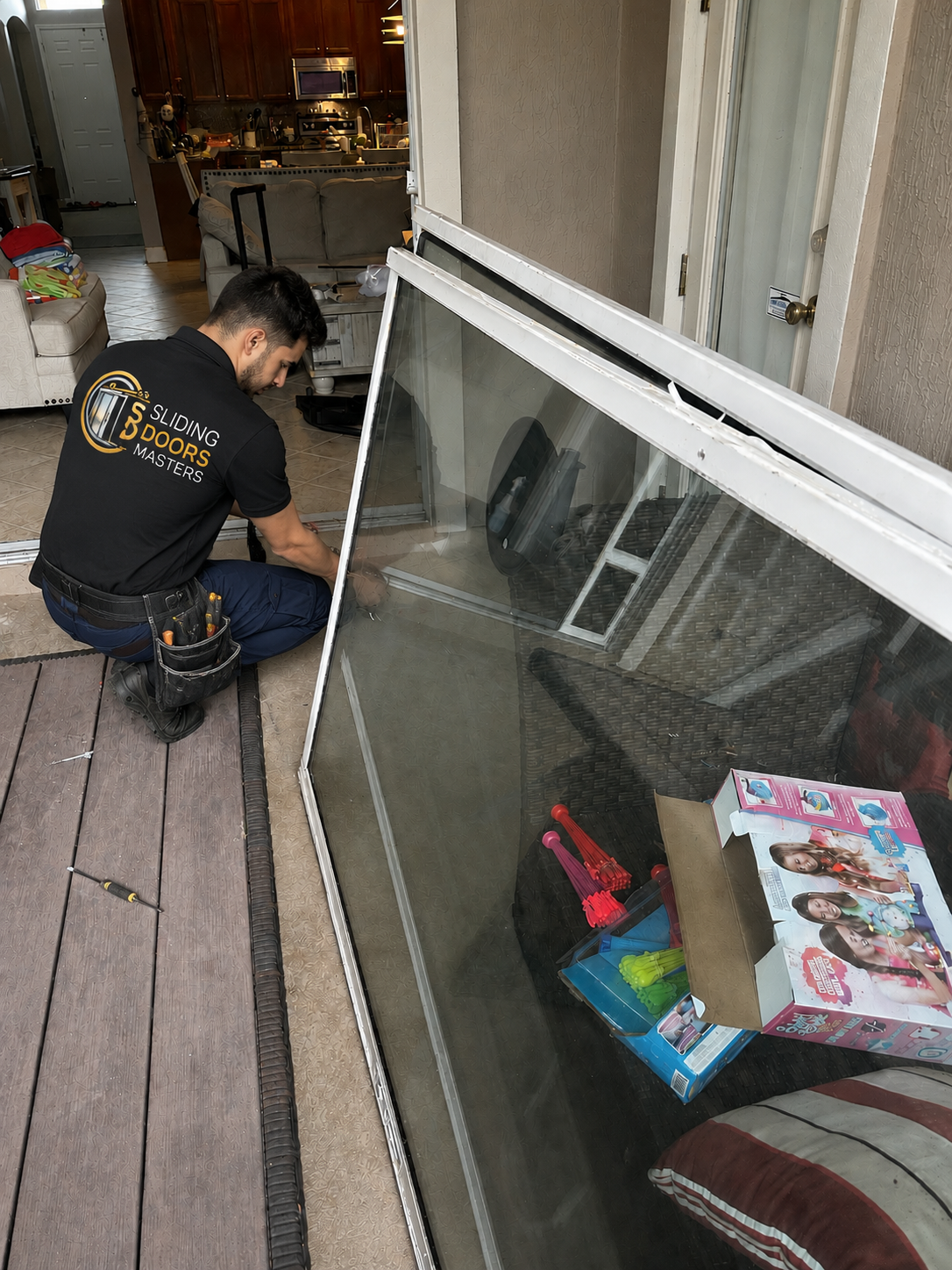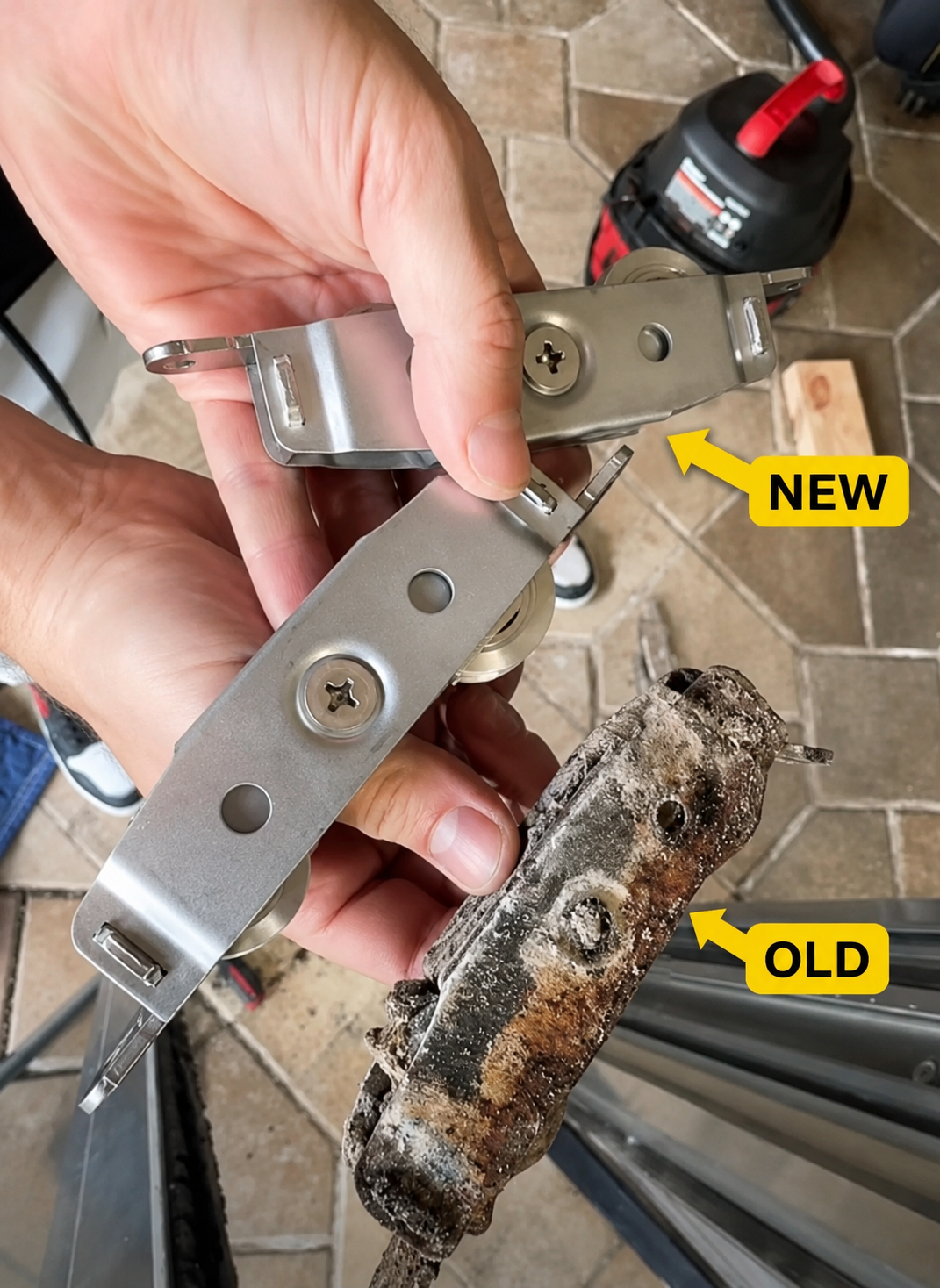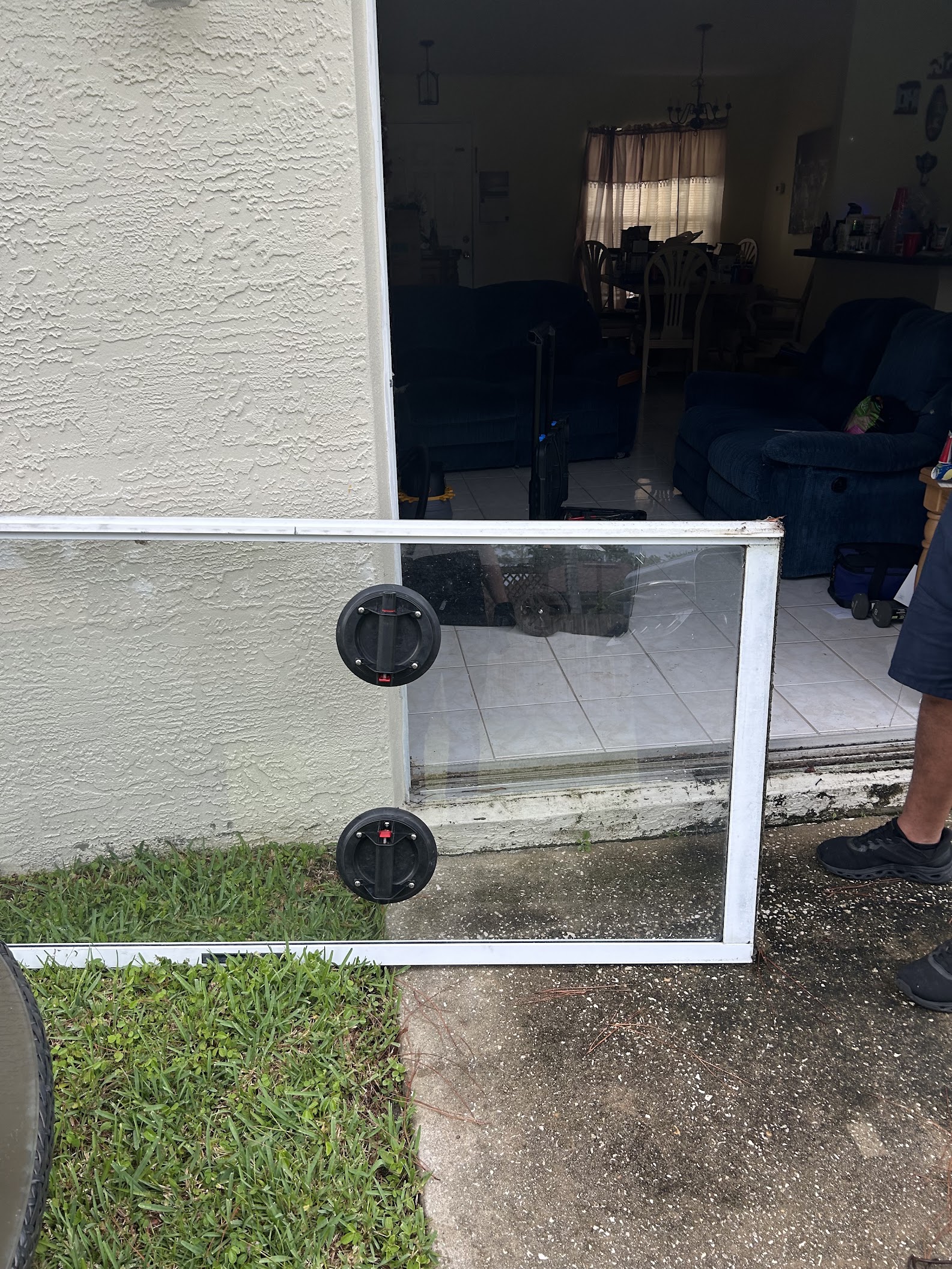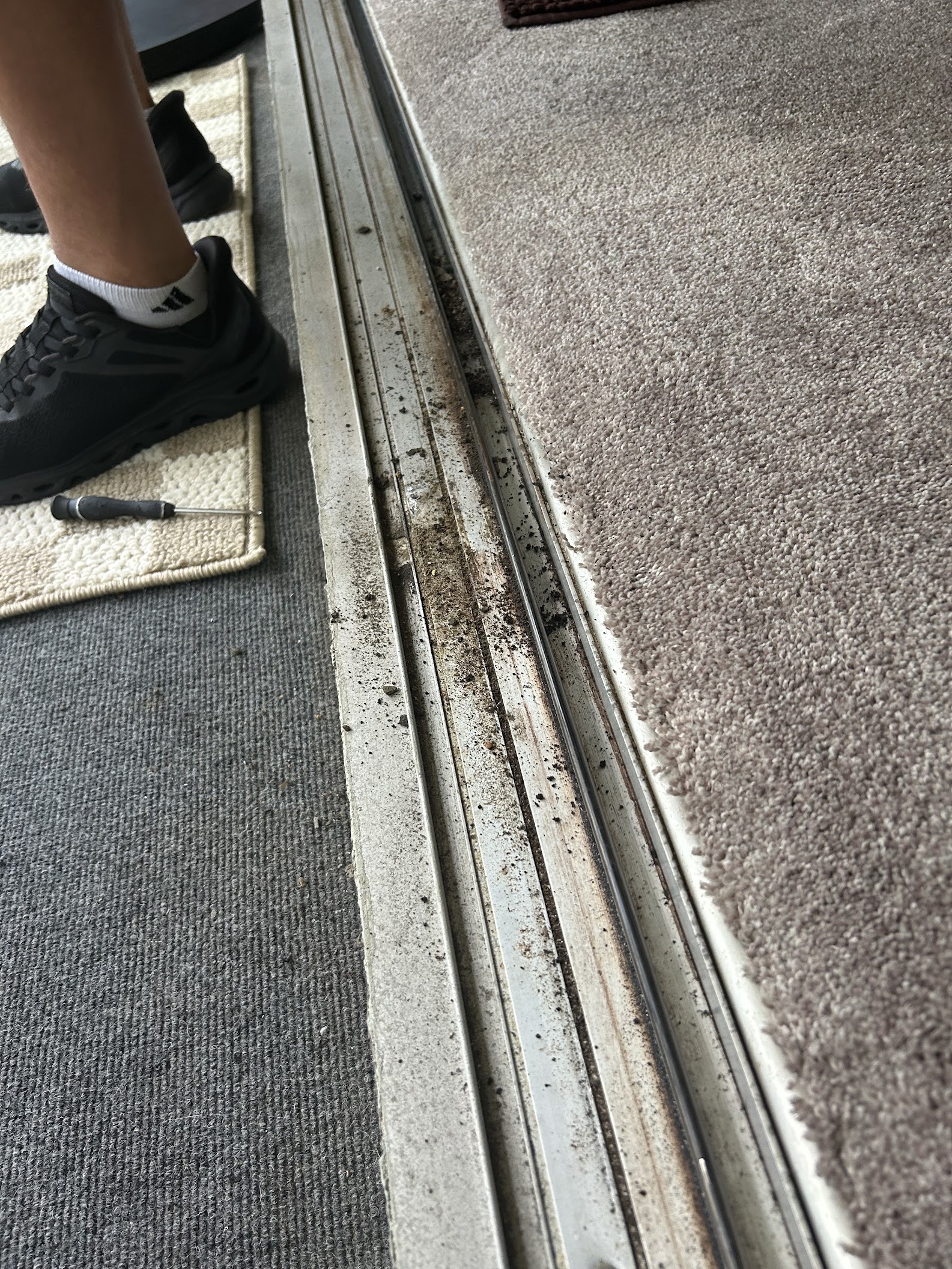
During a permitted walkthrough, observe normal panel travel, locking, glass condition, frame gaps and screen movement on stable, intact equipment. Record the opening and symptom rather than diagnosing hidden parts. Request relevant repair and product records. A smooth demonstration or thick-looking glass does not establish every aspect of the installed door's condition or performance.
Operate only a sound, stable panel
With the property owner's permission, check ordinary opening, closing and locking. Stop if the glass is damaged, the panel rocks or movement requires excessive force.
Do not remove covers, adjust screws or dismantle components during a showing. The goal is to identify questions, not to perform repairs.
Check every intended moving panel and the screen if present. A system with several panels deserves a consistent description of which one has the complaint.
Record specific observations
| Walkthrough item | What to note |
|---|---|
| Starting effort | Does normal movement require a shove? |
| Travel | Is resistance constant or concentrated at one point? |
| Sound | Grinding, rumbling or a new click? |
| Lock | Does it engage without lifting or forcing? |
| Glass | Cracks, persistent haze or visible damage? |
| Frame | Changed gaps, damaged mounting areas or visible distortion? |
| Screen | Torn mesh, dragging or repeated jumping? |
Take safe photos where permitted. “Bedroom patio panel grinds near the middle” is more useful than “all doors bad.”
Ask for existing records
Manufacturer and model information, installation records, prior repair descriptions and warranty terms can help identify the actual system.
If rated storm protection or energy performance is important to your decision, request the relevant documents. A heavy panel, laminated-looking glass or an old brochure does not establish the installed assembly's complete performance.
Check that records describe the actual configuration and any subsequent changes. Do not assume a similar model name supplies the same information.
Treat water marks as questions
Staining near a sill deserves explanation, but its location alone does not prove the source. A door, surrounding detail or other water path may be involved.
Ask what was observed, whether a cause was identified and what repair was completed. A clean floor on the day of the showing does not explain a recurring rain-related complaint.
A routine walkthrough is also unlikely to reproduce every weather condition. Record uncertainty rather than turning absence of visible moisture into a guarantee.
Obtain a repair assessment before making assumptions
Worn hardware may be repairable. Significant frame damage, unsuitable glazing or installation problems can change the scope. Age alone does not settle that comparison.
Ask for a recommendation tied to observed findings and a current estimate for the actual work. Transaction negotiations and any required disclosures should be handled with the relevant professionals.
For Jacksonville door evaluation, identify the opening and obtain the owner's authorization for service access. Sliding door repair should begin with condition, not an assumed list of replacement parts.
Keep the report accurate
Distinguish what you observed from what a technician confirmed. Do not describe a new handle as proof of a new lock or a roller invoice as complete door replacement.
A useful record makes future decisions easier: affected panel, symptoms, findings, proposed work and remaining questions.
Distinguish what you saw from what was confirmed
Your note may say, "Bedroom patio panel catches near the middle." A technician's later finding may identify a damaged running ridge, worn wheel or another cause. Keep those observations separate until an assessment supports the scope.
The same principle applies to records. A handle invoice does not necessarily document replacement of the internal lock. An impact brochure does not establish that the shown product and configuration are installed at the property.
For an authorized Jacksonville assessment, send the specific opening and available records. The replacement-selection guide explains the configuration and installation information to request if broader work becomes part of the transaction discussion.
Reference: NFRC residential energy-performance certification. Rated energy performance describes a specified product configuration, not every condition seen during a walkthrough.
Buyer questions
Can a hard-to-open door be a minor repair?
It can be, but the actual cause and broader condition need assessment. Do not infer scope from effort alone.
Does impact-looking glass prove storm approval?
No. Use documentation for the specified complete assembly and installation.
Should I adjust a panel during the walkthrough?
No. Record the behavior and request an appropriately authorized inspection rather than changing another owner's equipment.
Request a pre-purchase sliding door assessment once service access is authorized. Give Sliding Doors Masters your ZIP, the opening and observations. Let the technician establish the cause before assuming a parts-only repair or full replacement.
Need this looked at on your own door? Get a free estimate or talk it through with our team.
Related service