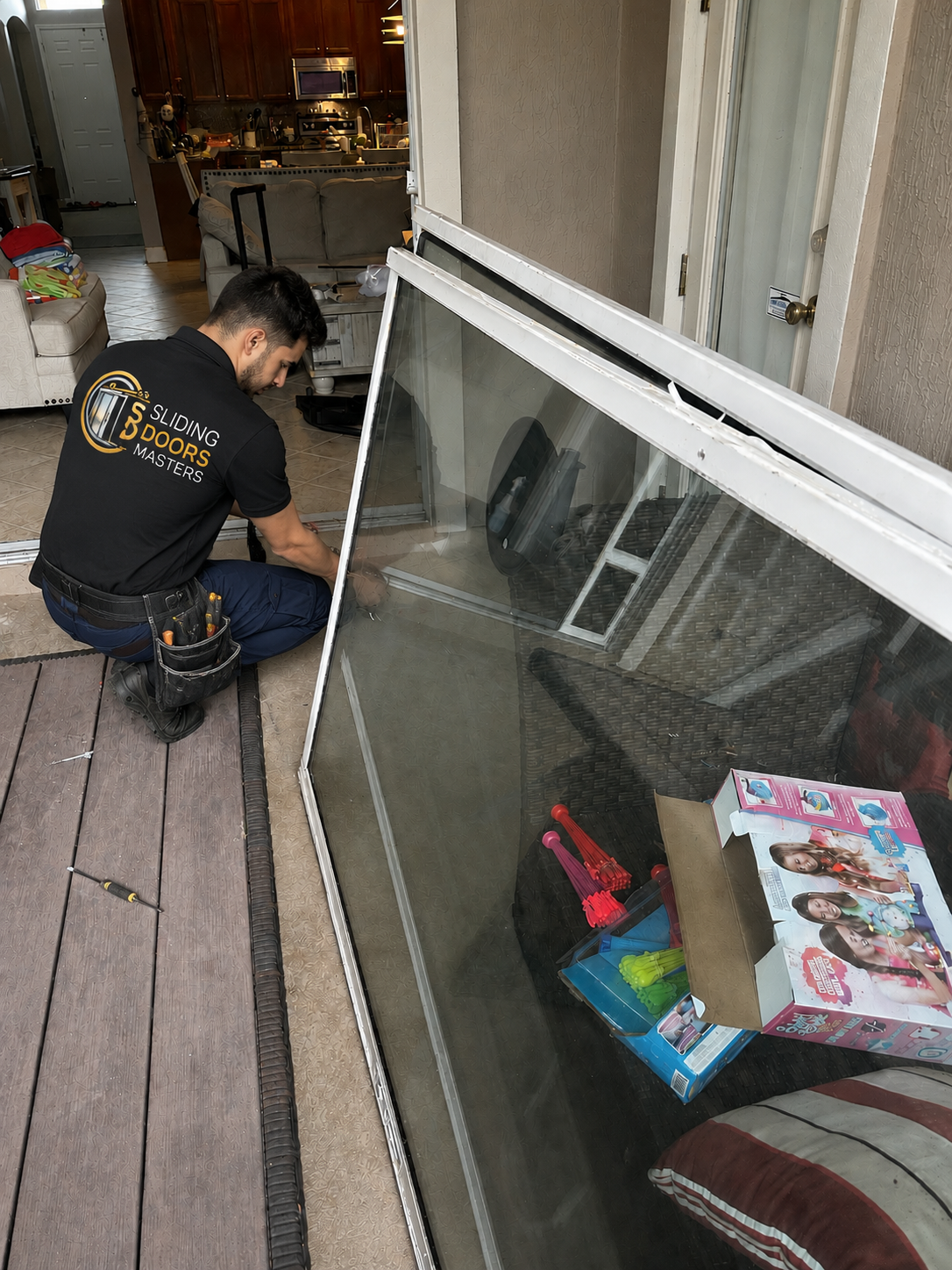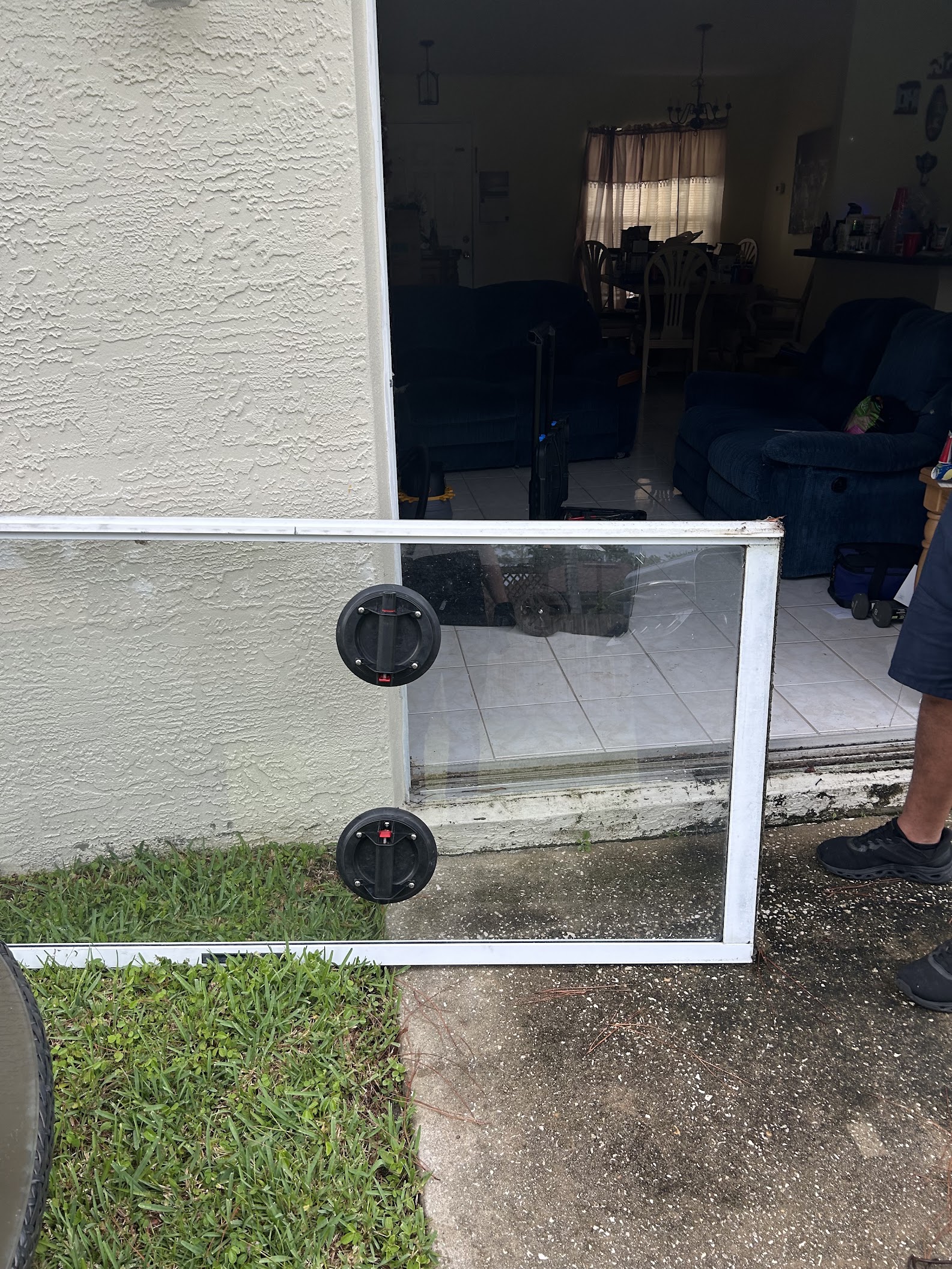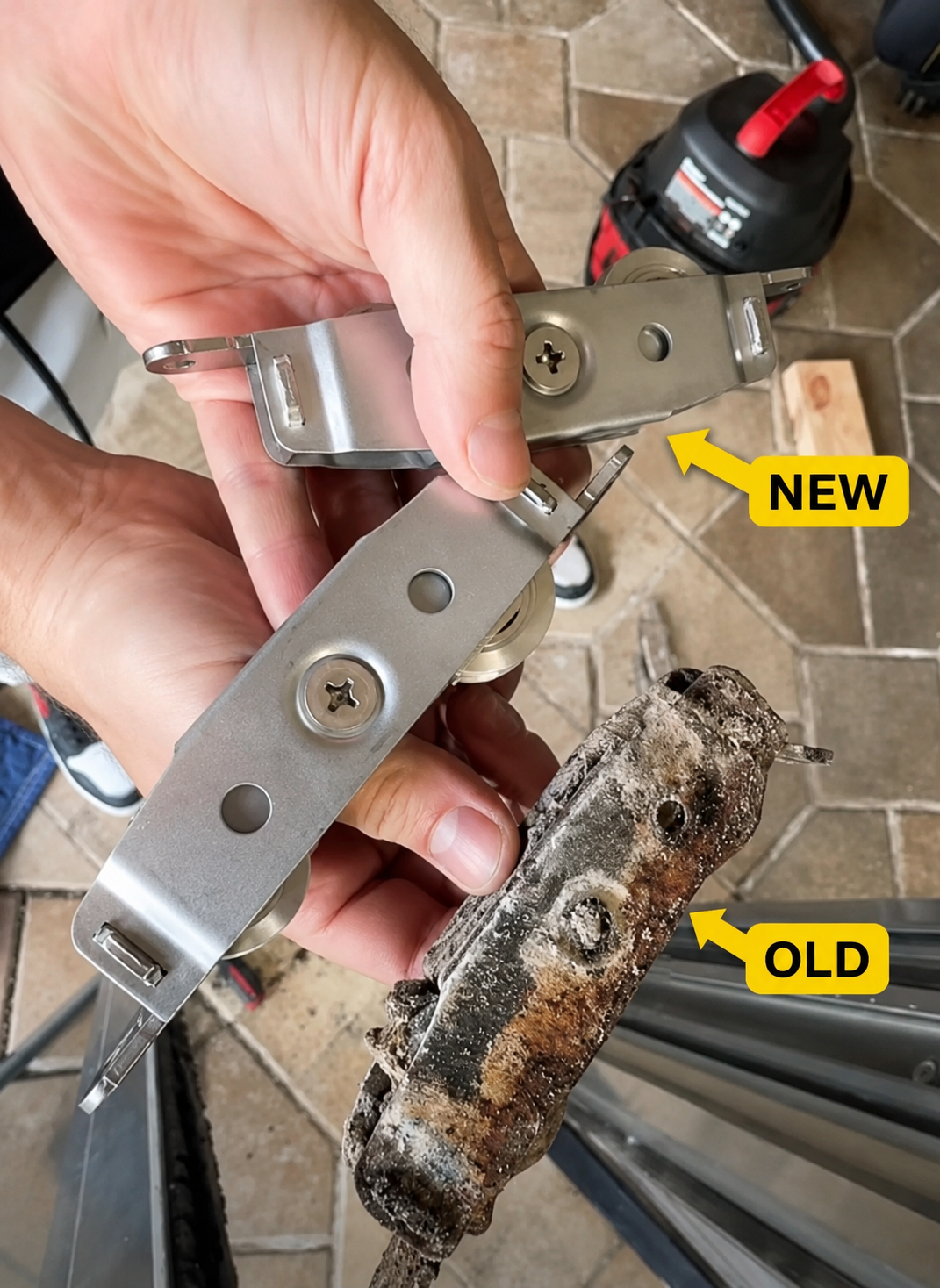
A sliding door maintenance routine should cover accessible debris, seals, designed drainage and changes in movement or locking. Follow the product's care schedule, then add observations after heavy patio use or windblown contamination. Maintenance frequency follows the opening and its instructions; it is not a reason to lubricate every component on the same calendar.
Establish a starting condition
Record how the panel moves when clean and correctly adjusted. Note its sound, the effort needed and whether it locks without pushing, lifting or slamming.
Photograph the accessible running surface and any existing marks. Keep those images with the part descriptions and instructions from previous service.
This baseline helps you notice change. A door that has always felt heavy may still have a correctable problem, so do not adopt poor operation as the normal standard without an evaluation.
Use a routine that fits the household
| Moment | Useful check | Limit |
|---|---|---|
| Regular patio cleaning | Remove accessible loose grit and hair | Do not dismantle the panel |
| A recurring visual reminder | Inspect seals, rail and natural lock engagement | Do not force a stiff mechanism |
| After debris blows onto the patio | Check reachable running surfaces and drainage openings | Avoid unsafe exterior access |
| After a change in effort or noise | Record the symptom and request an inspection | Cleaning is not a cure for failed hardware |
| At the manufacturer's service interval | Complete its specified care tasks | Use instructions for the actual product |
A recurring monthly visual reminder can be a convenient organizational starting point. It does not mean every component needs monthly lubrication or professional replacement.
Clean before deciding whether to lubricate
Loose grit belongs out of the running path. Use a soft brush, vacuum and a compatible damp cloth where appropriate, then remove residual moisture.
Apply maintenance products only to the components and materials described by the exact instructions. Sealed bearings, exposed tracks and locking mechanisms can have different requirements.
If a spray has become necessary every few days, record that pattern. It may be covering mechanical wear rather than completing normal maintenance.
Keep seals and drainage on the list
Weatherstripping should remain in place and free of damage that interferes with its intended contact. Do not paint over it or substitute an unusually thick adhesive strip without checking compatibility.
Observe reachable drainage openings and remove accessible debris using approved care methods. Avoid caulking a designed passage or making new holes.
Water entering the room is a repair concern even if the track looks clean. Document when it happens and have the source assessed.
Watch for changes that deserve service
Increasing effort, a recurring fixed bump, new grinding or a lock that begins missing its receiver should not become household workarounds. An unstable panel or damaged glass calls for stopping use and arranging appropriate service.
Describe the change, not just the door's age. “It worked after cleaning but became rough again within two days” gives the technician more useful information than “it is an old slider.”
For Fleming Island homes, keep outdoor soil, pet traffic and sheltered moisture in mind when adapting the routine. Scheduled maintenance should address the actual opening, not merely repeat a standard spray treatment.
Keep a simple repair record
Record the date, affected panel, parts used, track work and warranty terms. Store any manufacturer-specific instructions with it.
That record is especially useful after a future homeowner, renter or contractor changes a component. It reduces the risk of ordering a visually similar but unsuitable part.
Choose a reminder your household will actually use
Tie the accessible track check to a task already on your calendar, such as patio cleaning. Add a separate reminder for the manufacturer's specified care. After grit blows onto the opening, respond to that event instead of waiting for the next reminder.
For an Orange Park household with pets, note whether hair collects in reachable corners. For a beach-facing balcony, note returning deposits while respecting safe access limits. The same checklist can support different care frequencies.
Keep one clear service trigger: a change in normal effort, locking or stability. If the door has just been repaired, use the completion checklist to record the condition your future checks will compare against.
Reference: PGT/MITER care and maintenance guide. Use the care schedule and component instructions that cover the installed product.
Routine-care questions
Does an annual appointment replace homeowner cleaning?
No. Accessible contamination may build up between service visits. Follow the product's cleaning instructions and respond to changes in operation.
Should a lightly used door still be checked?
Yes. Exposure, deposits, seals and locking can change even when the opening is used infrequently.
What should I do if I cannot safely reach the exterior threshold?
Maintain only what is safely accessible. Arrange appropriate professional access rather than leaning beyond a balcony or improvising a ladder setup.
Arrange maintenance or an inspection with Sliding Doors Masters. Include your ZIP, exposure, use and any change from normal movement. Ask for care instructions matched to the installed parts.
Need this looked at on your own door? Get a free estimate or talk it through with our team.
Related service